

HAWKINS NATIONAL LABORATORY
CASE FILE: STRANGER THINGS
01. Project Montauk
Like most happenstance in the show biz, the road to stranger things was also not easy. The Duffer Brothers had pitched the story to 15-20 studios and were rejected each time. Initially, the show was not even called Stranger Things; back then it was called Montauk, a grim tale happening in the backdrop of a coastal town.

In the late 2010s, when people were still awestruck by dragons laying waste to cities and people getting murdered on weddings in creative ways, a show about 4 kids on bicycles saving a town from an extra-dimensional monster was deemed “not intriguing.”

02. The Netflix Acquisition
Unlike most production houses, Netflix relies on intuition powered by data. The data told them there is a market for a series with teens that can invoke feelings of nostalgia of the 80s in people. So on July 15, 2016, the show dropped without any marketing and became an instant success via word of mouth.

03. Cultural Impact & D&D
For people outside the US, D&D is something you hear shouted by nerdy characters wearing specs and tight outfits. It was basically their version of role play.
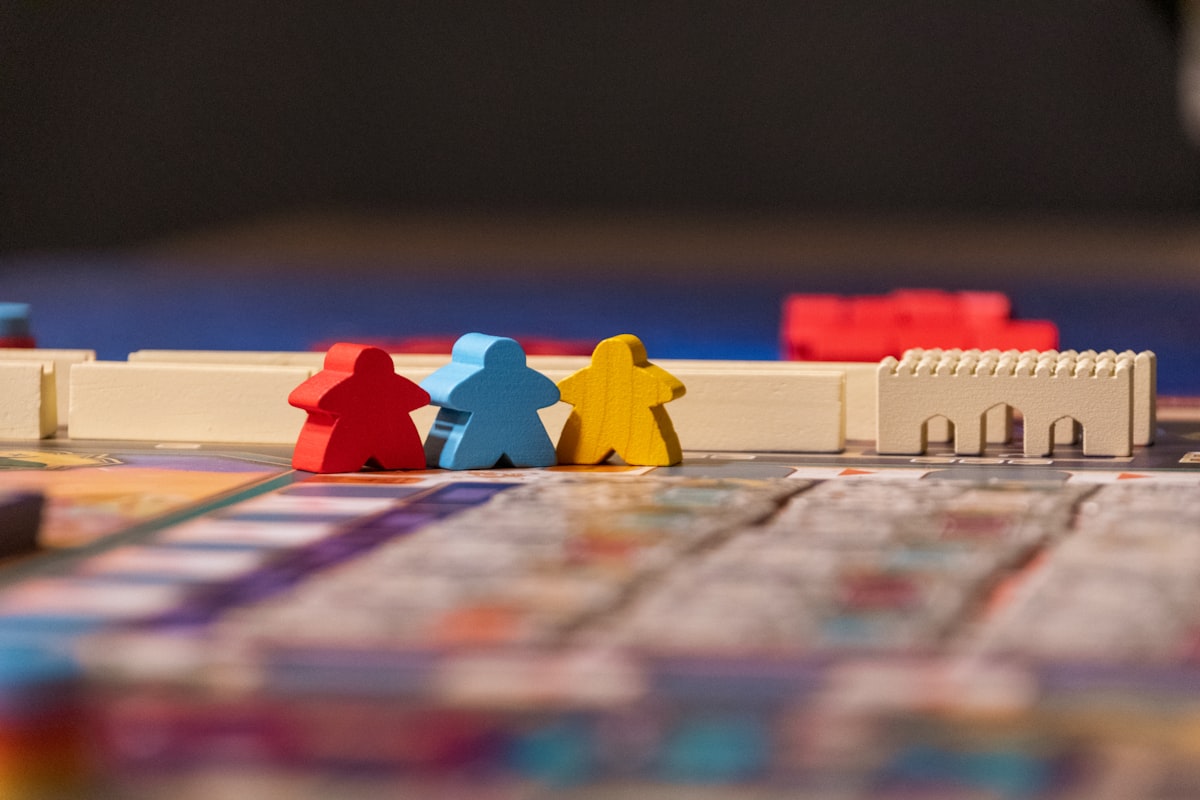
But in the world of Hawkins, the heroes were baffled when facing monsters with heads resembling Rafflesia (an exotic plant) to demon bats. They needed to make sense of reality.

In the heat of the moment, they layered their world with their only reference: D&D. Suddenly the humanoid flower became the Demogorgon (Prince of Demons), and the guy with the bad skin rash became Vecna, the Lich God.

The show didn’t just make D&D cooler; it boosted its popularity by a long shot. Suddenly the nerds were coming out, and soon what was done by even celebs under secret gatherings became the new chess.

As the game combined elements of storytelling with strategic thinking it soon spawned shows where professional actors played D&D like Critical Role and Dimension 20. The 80’s nostalgia didn’t end just with the revival of Dungeons and Dragons; Kellogg’s experienced a 14-17% in sales post the show (Eggos). Even “New Coke” saw a huge spike. Everything from Casio watches to Nike shoes experienced the Stranger Things effect.
04. The Party Archetypes
The Prince of Demons
In season 1 the demogorgon was thought to be the big bad villain so the whole price of demons monicker seemed great but post season 2 they were crushed like spiders by El.

The Hive Mind
Till now 90% of fan theories all end up with the mindflyer being the end game villain of the final fight. As per D&D myths, the Mind Flayer is like an elder brain—a hive mind of vines, bats, and flayed humans.
The General (Vecna)
Named after a Lich God, Vecna (aka Henry Creel) is the self-anointed general of the Upside Down. He targets people using the astral plane and uses them as a conduit to open rifts between the two worlds.

The Paladin
Mike Wheeler is more than the pretty boy who dates the MVP; he is charismatic and is essentially the leader who holds the entire group together.

The Warlock
Will Byers comes with true sight. Will can actually see through the enemy’s eyes, and in the last volume finale, he channeled his inner Darth Vader to make mince meat out of 4 demogorgons in one go.

The Bard
Dustin Henderson. From radio hobbyist to taming demo-dogs, Dustin did it all and even sang “The NeverEnding Story” to save Hawkins once.
The Ranger
Lucas Sinclair is the scout/ranger. He carries a slingshot and, post his growth spurt in this season, is literally the muscle of the team.

The Sorcerer
Eleven (Jane). From the creation of Vecna to beating the living hell out of the Mind Flayer, she has done it all. She is more than a girl with anger issues; her screams can literally tear a rift in space.

The Shadowfell & The Void
The world of the Upside Down is like a parallel to Hawkins but a dark, degenerated version. This Void is more like the black watery space which Eleven enters when she is tapping onto her powers; as per D&D mythos, this is the plane between the real world and astral plane.
05. Foreshadowing the End
In Season 1, before Will is abducted while playing the D&D game, he opts for the Fireball Spell over the protection spell and gets abducted. Finally, it took the fireball—an analogy of Eleven’s ability—to beat the Demogorgon.
“What about the lost knight? And the proud princess? And the weird flowers in the cave?” These were Dustin’s words from the Season 1 finale referring to Hopper, Eleven, and the Upside Down vines.

In the show, when Dustin rolls an 11, he couldn’t finish Vecna in the cult episode. It was Erica who rolled a perfect 20 to defeat the boss. This foreshadows that in the finale, Eleven by herself will be inadequate to stop Vecna; it may take some other factors.
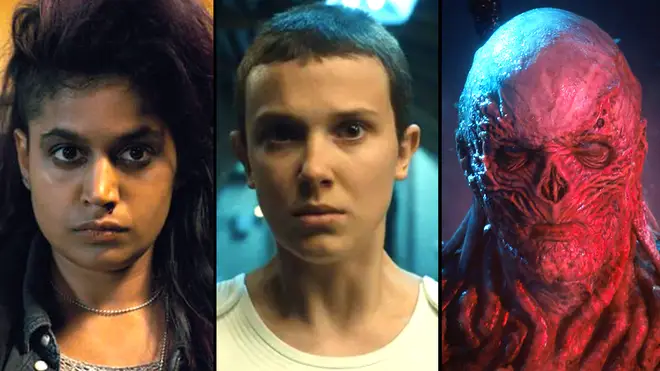
11+1+8 Theory: This means in the possible final showdown, Eleven may need to team up with Kali (008) and tap into Henry’s power (001) via Will to defeat Vecna.

06. The Potter Connection
The creators have already revealed the Potter movies inspired them. Vecna, similar to Voldemort, created a connection with Will (Harry).
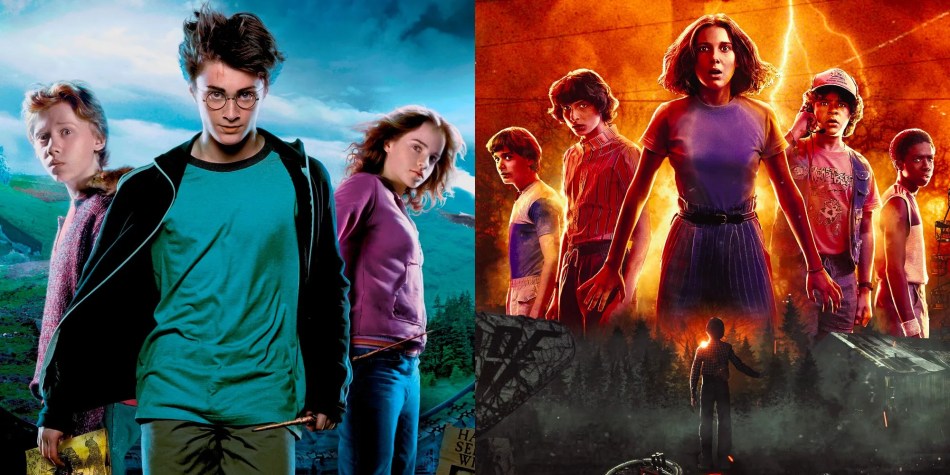
Initially, it was just Voldemort giving Potter a bad case of migraine, but in the end, killing the vestige of the soul within Harry proved to be the final nail in Voldemort’s coffin. Similarly, the severing of the connection between Vecna and Will may be the final blow to Henry’s downfall.
Discover more from Ivide LIVE
Subscribe to get the latest posts sent to your email.


