

Blood, Vampires, and Broken Curses: The Ultimate 2026 Oscars Breakdown

From breaking a 30-year curse to marking historical firsts, this year’s Oscars was more than just woke. For the second consecutive time, the Oscars were hosted by the ever-vibrant Conan O’Brien, and with his boyish charm, he turned the Oscars on its axis and gave it his own trademark spin.
From dressing up as the villainess from the Oscar-nominated movie Weapons, where he was chased by the children in a reverse role-play fashion, Conan jumped from the nominated movie sets one after another. He beat Marty Supreme in a ping-pong match, had a sit-in with Stellan Skarsgård where he talked about daddy issues, and after being denied entry by Smoke, he finally ran all the way to the stage.
But his beef with Timothée didn’t just end during his hosting; he warned Timothée about the possibility of the venue being attacked by ballet and opera singers owing to his snarky criticism of them a while back. Once that was over, he skipped to the executives, where he roasted the Netflix CEO for entering a movie theater for the first time in his life, and also took a dig at Bezos for Amazon not winning any awards in any categories. But the best roasts didn’t just end there, after ripping the medical care in America through a comparison of how Shakespeare’s wife gave birth in the woods in Hamnet.
The Winners
One Battle After Another
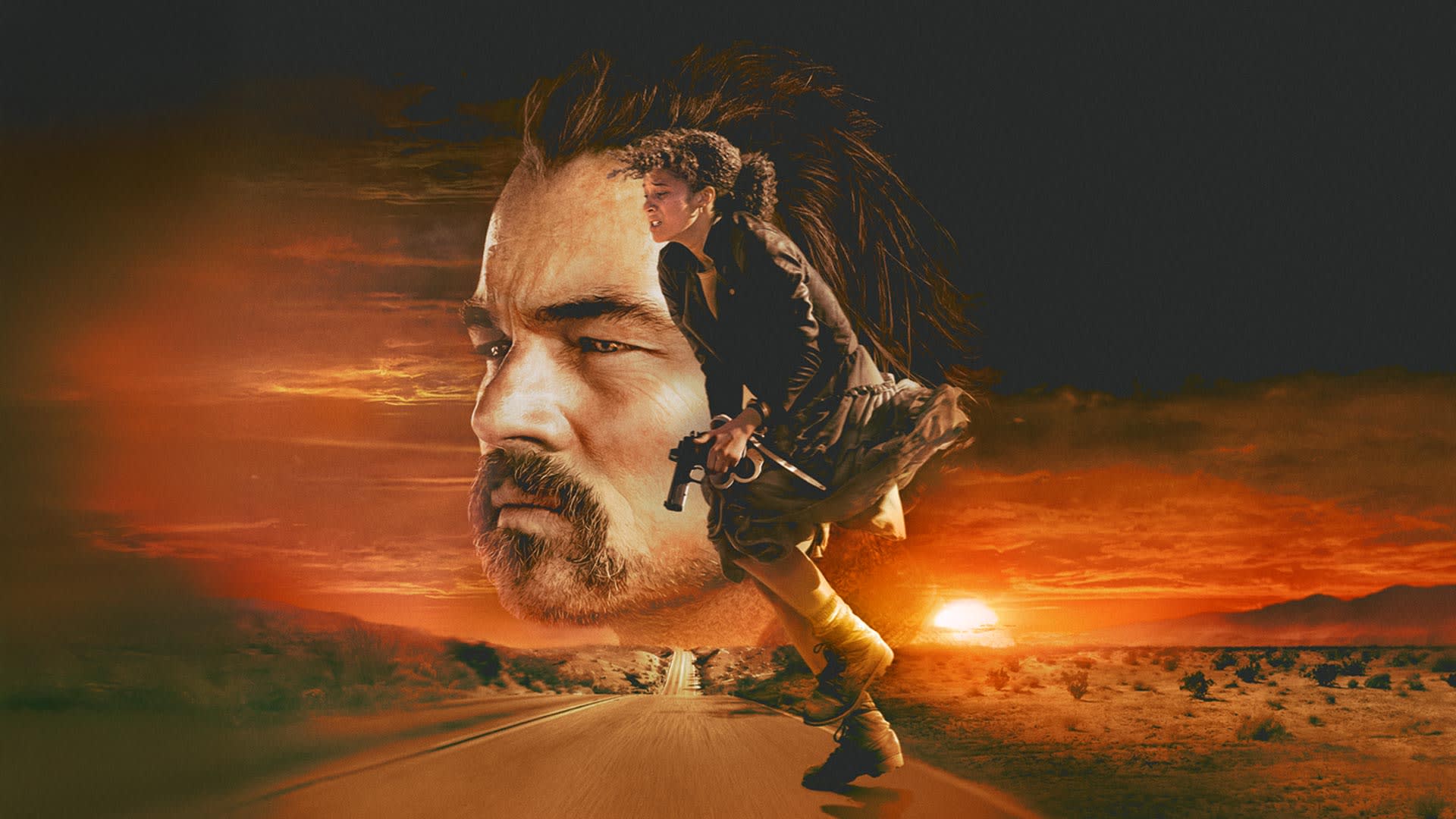
Paul Thomas Anderson is one of the most original and altruistic a filmmaker can get, and despite being nominated 14 times in the past in the Best Director category, he finally won. One Battle After Another was an anomaly that stuck out like an odd seventh finger. It did not get the warm response of Sinners, it was not part of any major franchise, nor did it have billions pumped into it for generating jaw-dropping CGI visuals, being made on a budget of 150 million dollars.
The movie is a loose adaptation of Thomas Pynchon’s 1990 novel Vineland, and the entire movie was shot on VistaVision, a 35mm wide-vision camera that has not been used since the 1950s. The movie revolves around an ex-revolutionary running away with his daughter from an obsessed, racist, white supremacist Colonel played by Sean Penn. That last chase, where the characters were chasing each other in cars in 5-minute intervals, had me glued to the screen more than the climax scene from F1, to be honest.
Won For:
- Best Picture
- Best Director
- Best Adapted Screenplay
- Best Supporting Actor
- Best Film Editing
- Best Casting
Sinners
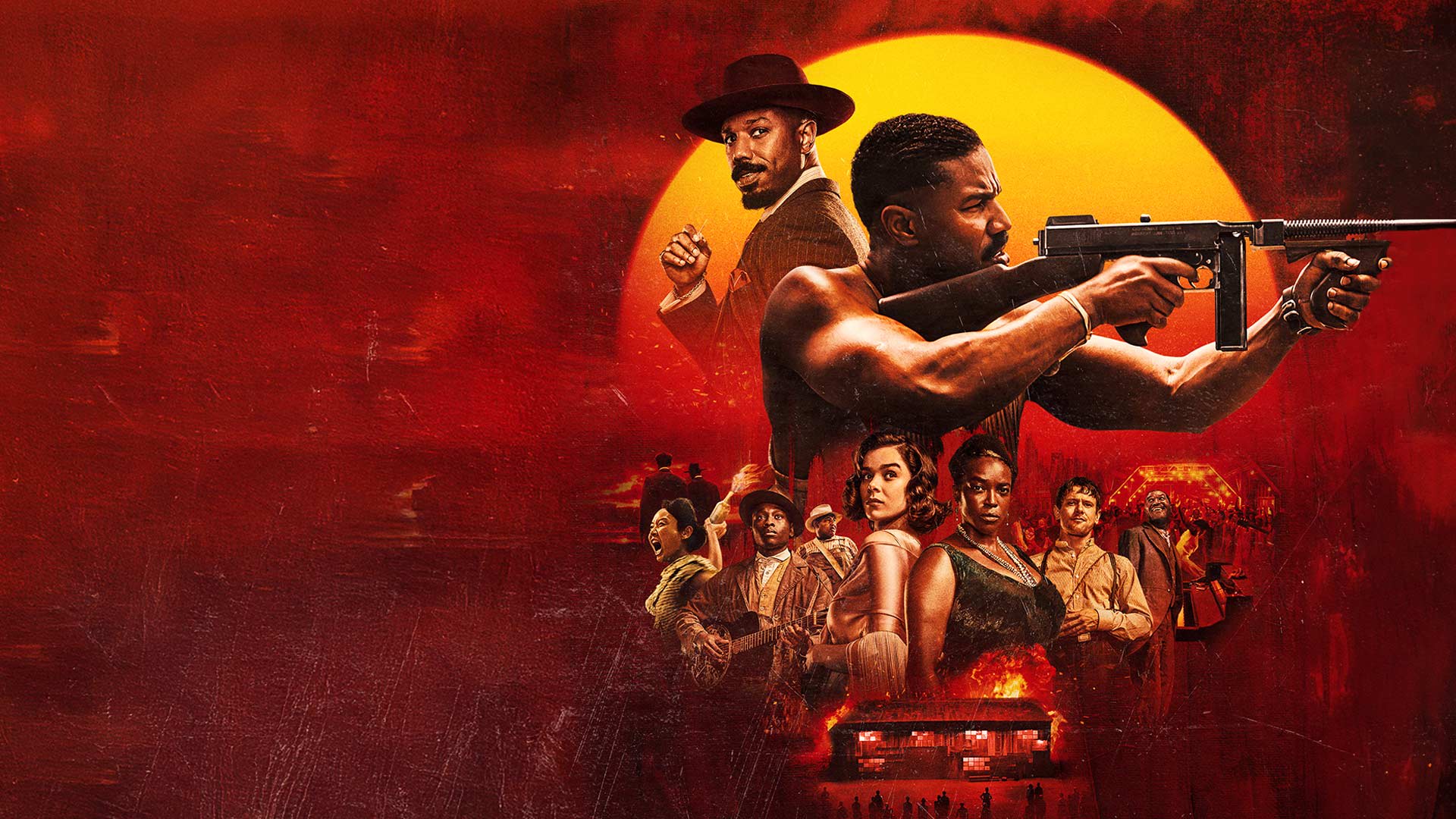
Ryan Coogler is one of the most distinct voices from the African-American community after geniuses like Spike Lee and Jordan Peele. The movie is the 5th collaboration between Coogler and Jordan, starting with 2013’s Fruitvale Station, where Jordan played Oscar Grant (based on the true story of Oscar Grant, who died as a result of police brutality). Coogler has always strived to tell the tales of his community; whether it’s a son striving to surpass his father’s legacy in Creed or carving out a niche voice in Marvel movies for the Wakandan empire, Coogler never held back.
Sinners was initially supposed to be a movie that would bring Chadwick and Jordan together for their second time post the hugely successful Black Panther, but post his untimely demise, the idea was turned into a tale of twin brothers in the world of 30s Mississippi and vampires. The movie is about two brothers trying to open a juke joint in the quiet town of Clarksdale. Once their cousin Sammie (Miles Caton) acts, the room transforms into a hypnotic scene. Thanks to the visuals of Autumn Durald Arkapaw and the music of Ludwig Göransson, we are taken on this psychedelic trance of music where songs from the past and the future merge and coalesce.
But what made the movie a true winner for Coogler and the wider Black community is that, in addition to getting the final say on the cut of an R-rated original vampire movie, he negotiated a unique contract with WB that will transfer the ownership of the movie entirely to him by 2050.

Won For:
- Best Actor
- Best Original Screenplay
- Best Cinematography (First time for a female)
- Best Original Score
Frankenstein
This has been a dream project for Del Toro for decades, and so he gave us a brilliant adaptation that relied more on prosthetics with a 5-person team for Jacob Elordi than on the usual CGI designs. Oscar Isaac, as the tragic Victor Frankenstein who wants to decode death, makes us feel a bit sympathetic, but this is a tale that sheds more light on the monster’s fate and plight.
From Mia Goth, who plays the dual role of his mother and his love interest, whose crimson dresses foreshadow her impending fate, to the circular motifs shown throughout the film, it spoke about the circle of life. The film is about the abusive dynamic between Victor and his father, which in turn gets carried to him and the creature without him even realizing he became his father’s mirror image, and even cruder, and in the end, the son transpired the father. The creature learned kindness and forgiveness through the blind man and Elizabeth, and chose to forgive his father in the end. And those who shun Jacob Elordi for his performance in Wuthering Heights should see this before dismissing him entirely.


Won For:
- Best Production Design
- Best Costume Design
- Best Makeup & Hairstyling
K-Pop: Demon Hunters
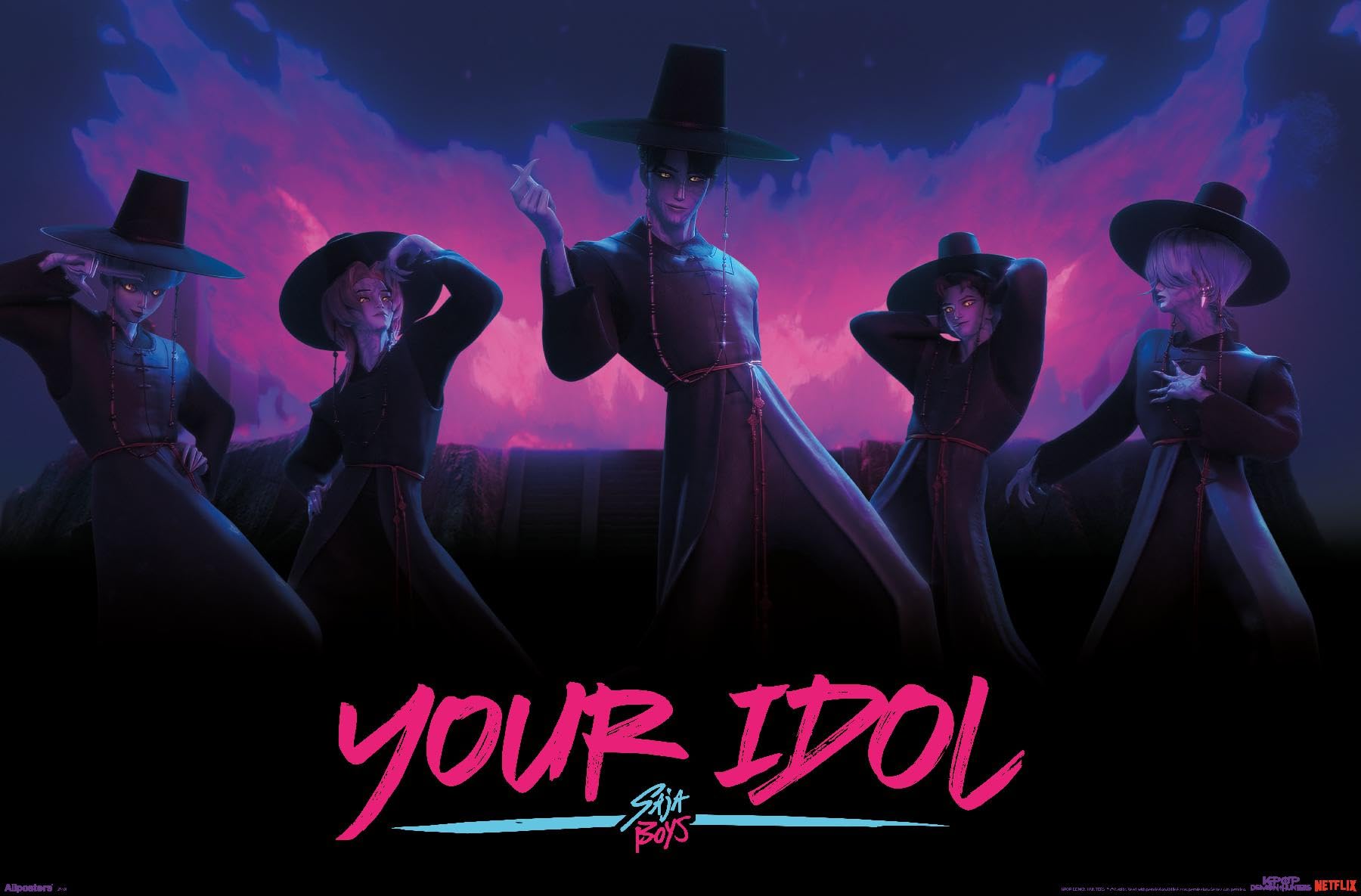
The animated tale where K-pop idols moonlight as demon hunters in between their concerts. The worlds of humans and demons are separated by a barrier called Honmoon, which in turn is strengthened by the positive energy from their thousands of fans. And things get more interesting when they face off against the Saja Boys, who are their opposites; these are demons in disguise who can feed off soul energy. The 3D animated movie was made for Netflix by Sony; the movie blended 3D visuals with 2D anime that successfully captured both the high-energy K-pop dance and swashbuckling fights. The movie altogether had 9 original songs, where the song “Golden,” in addition to winning a Grammy, became the first K-pop song to win an Oscar. Despite the dismay of Demon Slayer fans, K-Pop: Demon Hunters had a more universal theme thanks to its wider, relatable tale of overcoming shame and self-acceptance, a perfect adaptation of Korean folk mythology for a global audience. The movie raked in 500 million views on Netflix and even drove people to Seoul to experience the world of K-Pop: Demon Hunters.

Won For:
- Best Animated Feature
- Best Original Song
Hamnet
The movie feels like a warm, tender hug for any lover of classics, or a bit tighter for those who drip over Paul Mescal. Hamnet is based on the historical novel by Maggie O’Farrell that explored the lesser-known backstories of the “Bard of Avon” and his dear wife, Agnes. The movie was helmed by Chloé Zhao of Nomadland fame. The movie delves into the tragic death of Hamnet, the 11-year-old son that inspired and drove Shakespeare to write Hamlet. The movie focuses more on the loving Agnes and their shared grief than the splendor of literary life. And Jessie Buckley, who played Agnes, gave a brilliant performance. Just like in Nomadland, even the mundane acts of making bread, tending to bees, or wandering through the woods seem almost mystical and surreal.


Won For:
- Best Actress
Weapons
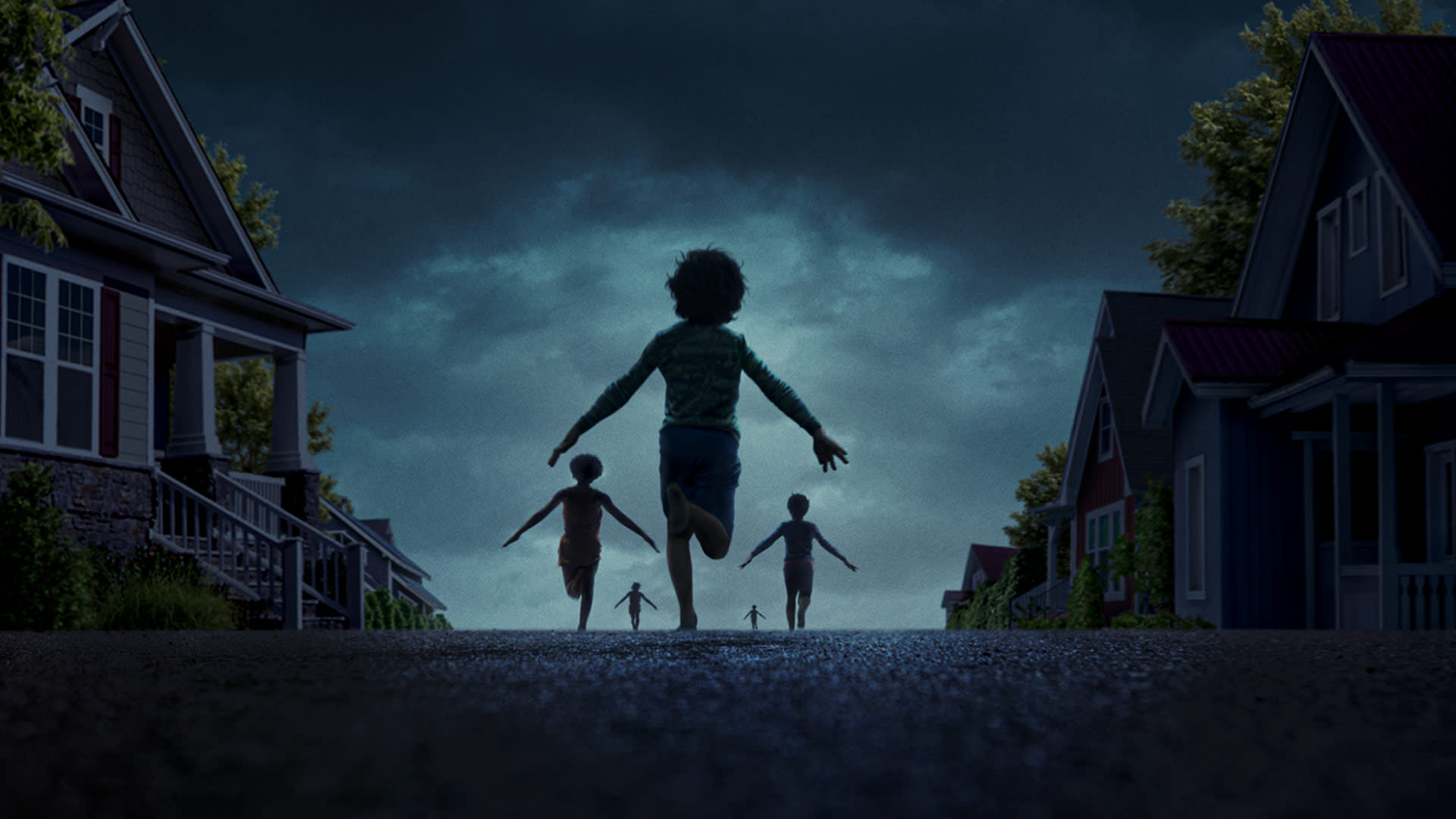
Zach Cregger delivered what critics would like to call a multi-story horror epic. Imagine a town where at exactly 2:17 a.m., 17 third-graders all ran away from home like clockwork. The plot is told through the perspectives of a devastated teacher (Julia Garner), a grieving, volatile father (Josh Brolin), a compromised cop (Alden Ehrenreich), and the single child who didn’t run away. We can’t wrap this up without mentioning Aunt Gladys, played by the brilliant Amy Madigan. In a historic first, Madigan has won an Oscar 40 years after her last nomination in 1985. And post-1969, she is the first woman to win an Oscar in the Best Supporting Actress category.

Won For:
- Best Supporting Actress
Sentimental Value
Joachim Trier gave us a devastatingly brilliant and tense tale of two sisters, Nora and Agnes, who are grieving over the loss of their mother. Emotions skyrocket when you throw in their emotionally stunted father played by the ever-brilliant Stellan Skarsgård, a once-brilliant auteur director. The brilliance of the movie lies in how it explores the fine line between healing and how it is exploited for rather selfish pursuits.


Won For:
- Best International Feature
Avatar: Fire and Ash
The Sully family is living after the tragic loss of their eldest son, Neteyam, and the younger brother is left with survivor’s guilt and a deep hatred towards humans. We are introduced to the Mangkwan clan, the ash clan led by Varang. They have completely forsaken the peaceful nature of other tribes, leading to a small Bonnie and Clyde partnership between Col. Quaritch and Varang. The movie emerged as the third biggest at the box office worldwide following Ne Zha 2 by minting 1.48 billion.


Won For:
- Best Visual Effects
F1
The movie is like the Top Gun equivalent of racing movies. Kosinski took the miniature cam technology he developed for Top Gun several notches ahead; cars were mounted with 16 different cameras. Brad Pitt played the ever-charming Sonny Hayes alongside Javier Bardem. Real-life motorsports drivers praised the movie for its realistic radio communications, the accurate physics of tire degradation, and the genuine physical toll the G-forces took on the actors. Max Verstappen and Lando Norris both publicly praised the onboard camera angles.


Won For:
- Best Sound
Discover more from Ivide LIVE
Subscribe to get the latest posts sent to your email.


